Designing a successful playground involves far more than selecting a few pieces of equipment. A well-designed play space should be safe, engaging and accessible for all users. It should also support children of different abilities, encourage social interaction and create opportunities for inclusive play.
However, many playground projects encounter similar design mistakes. These issues can limit accessibility, reduce play value and create barriers for children and families who should be able to enjoy the space.
By understanding these challenges early in the planning process, designers, schools and local authorities can create playgrounds that support inclusive play, accessibility and meaningful experiences for everyone.
Equipment Choices
The equipment selected for a playground has a major impact on how inclusive and engaging the space becomes. Poor equipment choices can unintentionally exclude children or limit the types of play available.
Choosing Equipment Without Understanding User Needs
Every playground should begin with a clear understanding of who will use it.
Different communities have different needs. For example, a school playground may serve children with a wide range of physical, sensory and cognitive abilities. A public park may attract families with toddlers, older children and siblings of different ages.
Understanding these needs is essential when designing an inclusive playground. Equipment should provide opportunities for children of varying abilities to participate, interact and play together.
Without this insight, even high-quality equipment may fail to support inclusive play or meet the needs of the local community.
Prioritising Appearance Over Play Value
Another common mistake is selecting equipment based purely on appearance.
Visually impressive structures can enhance the look of a playground, but they do not always provide meaningful or accessible play opportunities. Inclusive playground equipment should support a range of play experiences, including:
- physical play
- social interaction
- imaginative play
- sensory engagement
- cooperative activities
When appearance becomes the main focus, the playground may look appealing but offer limited play value, particularly for children with different abilities.
Choosing Equipment for the Wrong Age Group
Playgrounds should challenge children while still keeping them safe and supported.
Equipment designed for older children can be difficult or unsafe for younger users. At the same time, equipment that is too simple may not engage older children or encourage them to develop new skills.
For this reason, many successful playgrounds divide the space into age-specific or functional zones. These areas allow toddlers, younger children and older children to play comfortably at their own developmental level.
Age zoning can also support inclusive design by creating spaces that are suitable for children with different abilities and confidence levels.
Overlooking Long-Term Maintenance
Playgrounds are long-term community assets, yet maintenance is sometimes overlooked during the design stage.
Some equipment may appear attractive initially but require frequent repairs or specialist replacement parts. Over time, this can affect accessibility and safety, particularly if equipment becomes unusable.
Choosing durable materials and well-designed equipment helps ensure the playground remains safe, inclusive and accessible for many years.

Surfacing
Surfacing is a key part of playground design. It affects safety, accessibility and the overall usability of the space.
Ignoring Safety Surfacing and Spacing Standards
Every piece of playground equipment has specific safety requirements. These include fall zones and impact-absorbing surfacing that help reduce the risk of injury.
Ignoring these requirements can compromise safety and may prevent the playground from meeting recognised standards.
Spacing between equipment is also important. Overcrowded layouts can create hazards and make it more difficult for children using mobility aids or with additional support needs to move around the playground.
Misunderstanding Installation and Surfacing Costs
Playground budgets often focus mainly on equipment, but surfacing and installation can represent a significant portion of the overall project cost.
Ground preparation, drainage and the construction of a suitable sub-base are all essential for long-term performance. Without proper planning, these factors, along with the equipment installations, can increase costs later in the project.
Choosing Surfacing Based Only on Price
Cost is always an important consideration, but choosing surfacing purely because it is inexpensive can create problems later.
Lower-cost materials may wear more quickly, require frequent repairs or provide limited accessibility.
Inclusive playgrounds benefit from surfacing that supports wheelchairs, mobility aids and pushchairs, allowing all users to move easily throughout the play space. Investing in high-quality surfacing often improves accessibility, safety and long-term value.
Poor Planning and Layout Choices
Even the best equipment and surfacing can fall short if the overall playground layout is poorly planned.
A successful playground layout should support movement, visibility and accessibility while creating opportunities for both active and quieter forms of play.
Ignoring Sun Orientation
The orientation of the playground in relation to the sun can affect comfort and usability.
Equipment exposed to direct sunlight for long periods can become very hot, particularly metal components, slides and rubber surfacing. This may make parts of the playground difficult to use during warmer weather.
Providing shade through trees, shelters or careful equipment placement helps create a more comfortable environment for children and caregivers.
Forgetting About Parents and Caregivers
Inclusive playgrounds should consider the needs of families as well as children.
Parents, carers and support workers often spend extended time in the play space. Without seating areas or gathering points, it can be difficult for them to supervise children comfortably.
Providing seating, shaded areas and accessible pathways allows caregivers to remain close to children while supporting safe and inclusive play.
Poor Supervision Sightlines
Clear sightlines are essential for effective supervision.
Large structures or confusing layouts can block visibility and make it harder for caregivers to monitor children. This can be particularly challenging when supervising children who require additional support.
A well-designed playground should allow adults to easily see across the play space while still providing children with opportunities for independent exploration.
Failing to Include Nature
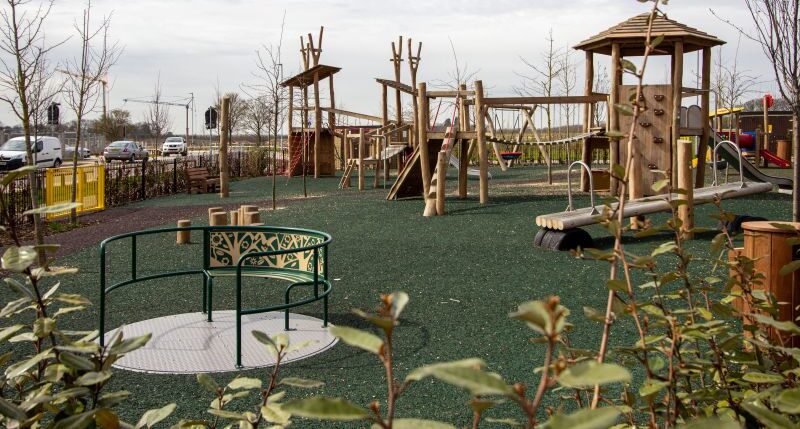
Many playgrounds focus entirely on manufactured equipment. While this can provide physical challenges, it may not offer the full range of play experiences children need.
Incorporating natural elements can enrich the play environment and support inclusive play. Features such as:
- planting and trees
- logs and boulders
- sensory gardens
- natural textures and materials
can encourage exploration, creativity and sensory engagement. Nature-based play can also provide calmer spaces for children who benefit from quieter environments.
Ignoring Site Constraints
Every playground site has unique characteristics. These may include slopes, soil conditions, drainage patterns or restricted access for construction.
Ignoring these constraints during the design stage can lead to installation difficulties or increased costs. It can also create accessibility challenges once the playground is complete.
A thorough site assessment helps ensure the design works with the environment rather than against it.

Leaving Inclusive Design Too Late
One of the most common mistakes in playground design is considering accessibility only at the end of the project.
Inclusive play should be integrated from the very beginning of the design process. When accessibility is addressed too late, important opportunities can be missed.
For example, pathways may be too narrow, surfaces may not support mobility devices, or equipment may not provide opportunities for children of different abilities to play together.
Inclusive playgrounds aim to remove these barriers. They provide varied play experiences that support children with different physical, sensory and cognitive needs. Most importantly, they allow children to play alongside one another, rather than separating them into different spaces.
The Importance of Expert Input
Finally, one of the most avoidable mistakes is failing to seek expert guidance.
Playground design involves many specialist considerations, including safety standards, inclusive design principles, site engineering and child development.
Working with experienced playground charities, designers, manufacturers and other organisations helps ensure these factors are carefully considered. Expert input can also help identify opportunities to improve accessibility, increase play value and create spaces that truly support inclusive play.
There are plenty of resources available, including charities like Scope and social enterprises like PiPA Play, who can provide input and support to make sure a play area is suitable for everyone.
Creating Inclusive Playgrounds That Works for Everyone
Avoiding these common design mistakes can transform a playground into a welcoming and inclusive community space.
By focusing on thoughtful equipment choices, accessible surfacing, careful layout planning and inclusive design principles, playgrounds can provide meaningful play opportunities for children of all abilities.