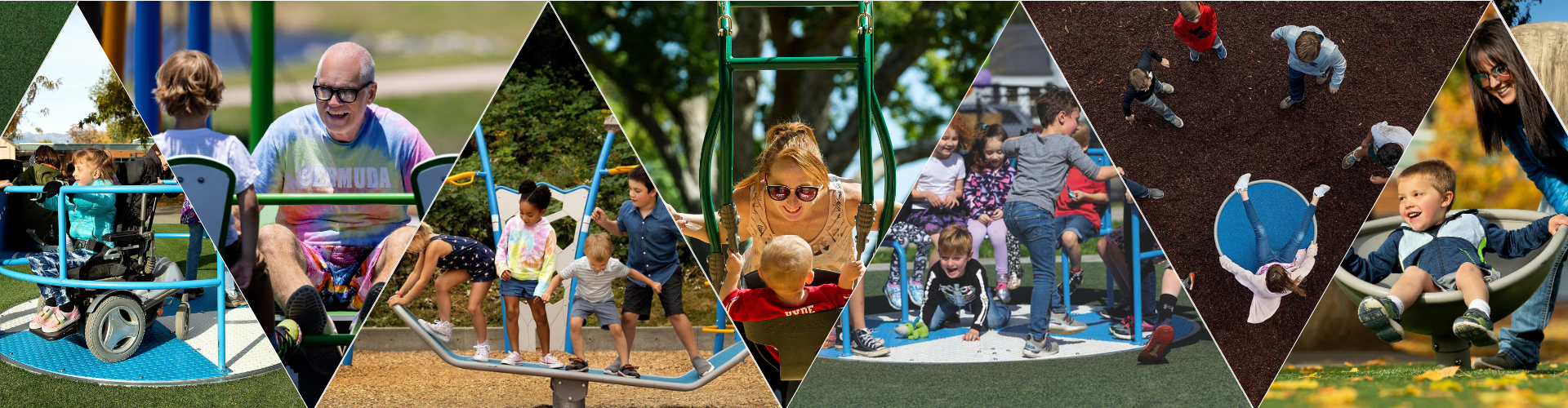
We have published a free best practice guide to designing inclusive playgrounds: play spaces where children of all abilities can play, explore, challenge themselves and play together.
Physical access alone does not make a playground inclusive. A systematic review of accessible playgrounds found that disabled children can still miss out on play and social interaction, even in playgrounds described as accessible. Real inclusion means designing the whole experience, from arriving at the site to playing alongside friends.
The guide is for playground designers, landscape architects, local authorities, developers, operators, community groups and families. It draws on peer-reviewed research and on our experience at Inclusive Play, where we have designed and manufactured inclusive play equipment since 2006. To put the principles into practice, see PiPA, our inclusive design methodology.
Inclusive_Play_Inclusive_Playground_Best_Practice_Guide (5)
Prefer to save a copy? Download the guide (PDF). For product details or project support, visit inclusiveplay.com or email info@inclusiveplay.com.